Are you struggling with multiple debts and finding it challenging to effectively manage your finances?
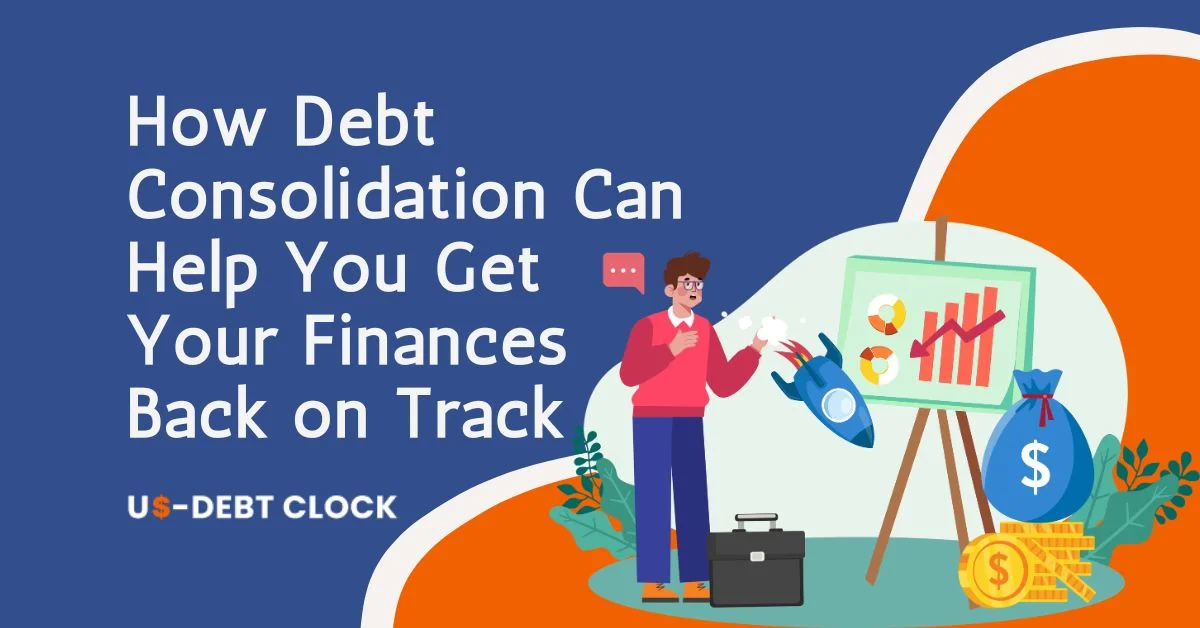
Debt consolidation might be the solution you are looking for. Debt consolidation is a powerful financial strategy that can help individuals overcome the burden of multiple debts and regain control of their financial stability.
Rather than dealing with several creditors, different due dates, and varying interest rates, consolidation simplifies everything into a more structured repayment approach. This is not only going to reduce the stress of managing multiple accounts but also enables individuals to create a realistic budget and track their progress effectively over time.
Debt consolidation also offers the opportunity to reduce total interest costs, improve repayment consistency, and build a clearer path toward financial recovery. For individuals facing mounting financial pressure, it can act as a structured reset rather than a temporary fix.
In this article, we examine how debt consolidation works, when it is effective, and what you need to evaluate before making a decision.
Understanding Debt Consolidation
Debt consolidation is a financial strategy that allows individuals to merge multiple debts into a single loan or structured payment plan. Instead of managing several accounts, borrowers deal with one obligation, often with a more favorable interest rate or repayment term.
This approach is widely used for unsecured debts such as credit cards, personal loans, and medical bills. By consolidating these obligations, individuals reduce complexity and improve their ability to stay consistent with payments.
From a financial management perspective, consolidation does not eliminate debt. Instead, it restructures it into a more manageable format. This distinction is important for setting realistic expectations.
For a technical overview of consumer debt strategies, refer to resources like the Consumer Financial Protection Bureau, which outlines how consolidation works and when it is appropriate.
How It Works and Its Main Objective
The primary objective of debt consolidation is to make repayment more efficient and predictable.
Individuals typically take out a new loan or transfer balances to a lower-interest financial product. The proceeds are then used to pay off existing debts, leaving a single active obligation.
This restructuring has two main effects. First, it reduces administrative complexity by replacing multiple payments with one. Second, it can lower the total cost of borrowing if the new interest rate is more favorable.
However, the effectiveness of this approach depends heavily on borrower discipline. Without controlled spending and a defined repayment plan, consolidation alone does not solve underlying financial habits.
Types of Debt Consolidation
Debt consolidation generally falls into two categories: secured and unsecured.
Secured consolidation involves backing the loan with an asset, such as property. This often results in lower interest rates due to reduced lender risk, but it introduces the possibility of asset loss if repayment fails.
Unsecured consolidation does not require collateral. While it removes asset risk, it typically comes with higher interest rates and stricter eligibility criteria.
The choice between these options depends on financial stability, risk tolerance, and long-term repayment capacity.
Popular Debt Consolidation Methods
Several consolidation methods are commonly used, each suited to different financial situations.
A balance transfer is often used for credit card debt. It involves moving existing balances to a new card offering a lower or promotional interest rate. This method is effective for short-term cost reduction but requires strict repayment discipline before higher rates apply.
Personal loans are another widely used option. Borrowers receive a fixed amount and use it to clear existing debts. This results in a single installment-based repayment plan with predictable monthly payments.
Home equity loans or lines of credit allow homeowners to borrow against their property value. These typically offer lower interest rates but carry higher risk due to collateral involvement.
Before choosing any method, it is advisable to compare terms using reliable financial benchmarks such as those provided by the Federal Reserve.
Benefits of Debt Consolidation
Debt consolidation offers several practical benefits when applied correctly.
One of the most immediate advantages is simplified repayment. Managing a single payment reduces the likelihood of missed deadlines and associated penalties. This consistency contributes positively to credit history over time.
Another key benefit is the potential reduction in interest costs. Lower interest rates allow a greater portion of each payment to reduce the principal balance, accelerating overall repayment.
Consolidation also improves financial visibility. With one account to monitor, individuals can better track progress and make informed financial decisions.
This increased clarity often leads to stronger budgeting habits and improved long-term planning. In some cases, consolidation may also open opportunities for negotiated repayment terms, although this depends on the lender and borrower profile.
Factors to Consider Before Consolidating Debt
Despite its advantages, debt consolidation is not universally suitable. A thorough evaluation is essential before proceeding.
A detailed financial assessment should come first. This includes reviewing total debt, income stability, monthly expenses, and existing interest rates.
The goal is to determine whether consolidation improves the overall financial position rather than simply shifting the structure of debt.
Potential risks must also be considered. These include extended repayment periods, hidden fees, and exposure to predatory lending practices.
It is important to verify lender credibility and avoid offers that appear unrealistic.
Additionally, alternatives such as structured repayment plans or credit counseling should be evaluated. Organizations like the National Foundation for Credit Counseling provide guidance on non-loan-based debt management strategies.
How to Get Started with Debt Consolidation
Starting the consolidation process requires a structured and informed approach.
The first step involves researching available options and comparing lenders. This includes evaluating interest rates, repayment terms, and associated costs.
Reliable comparison ensures that the selected option genuinely improves financial conditions.
Next, individuals should create a realistic repayment plan. This involves aligning monthly payments with income and expenses while maintaining a buffer for unexpected costs.
A sustainable plan is critical for long-term success.
Professional guidance can also be valuable. Financial advisors and credit counselors can assess individual situations and recommend appropriate strategies.
Their input helps avoid common mistakes and increases the likelihood of successful debt resolution.
Conclusion
Debt consolidation can be an effective strategy for individuals seeking to regain control over their financial situation. By restructuring multiple debts into a single, manageable obligation, it simplifies repayment, improves financial clarity, and can reduce overall borrowing costs.
However, consolidation is not a standalone solution. Its success depends on disciplined financial behavior, careful planning, and informed decision-making.
Evaluating risks, comparing options, and maintaining consistent repayment habits are essential components of the process. When used correctly, debt consolidation serves as a structured pathway toward financial stability rather than a temporary workaround.