U.S. Debt Comparison to Luxury Items
The U.S. national debt currently exceeds $40.4T, a sum that far surpasses the wealth of any individual or country. This amount of money could be used to purchase a wide range of luxury items, each representing a small fraction of the total debt.
For example, with $40.4T it would be possible to acquire numerous mansions, private jets and superyachts, all of which are priced in the tens or hundreds of millions of dollars. The sheer magnitude of this debt becomes more tangible when visualized through these extravagant purchases.












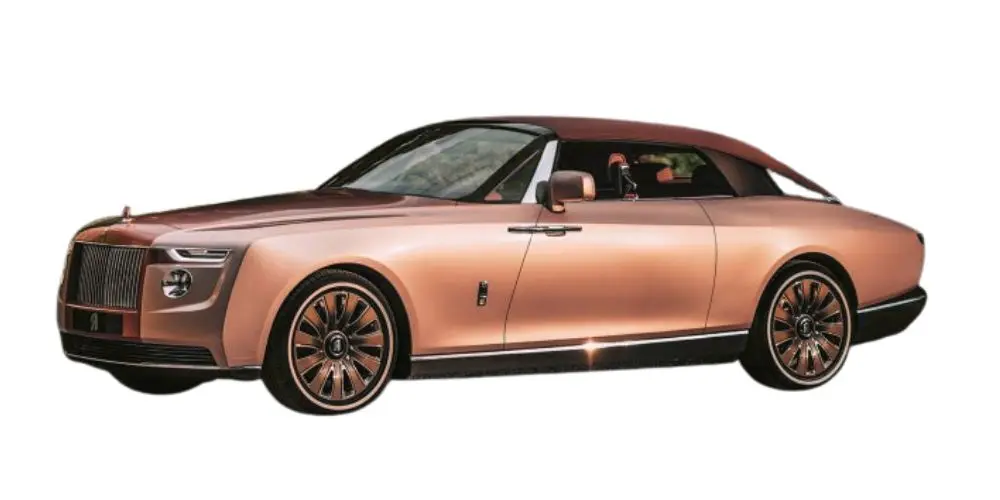




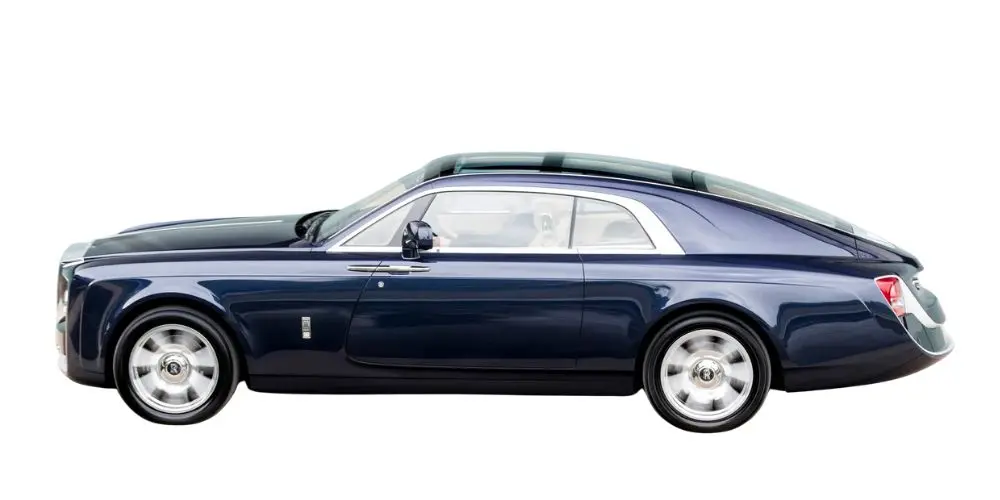




































The most expensive superyachts which are valued in the billions, could number in the thousands with the same amount of money as US national debt. The debt could also fund the acquisition of thousands of rare paintings or private properties around the globe.
Consider luxury vehicles: the world's most expensive cars, from rare vintage Ferraris to custom-built hypercars, typically range from several million to tens of millions of dollars. With the national debt, one could purchase tens of thousands of these automotive masterpieces, creating a collection that would span multiple museums and private showrooms worldwide.
The scale of the U.S. national debt is difficult to fully comprehend but when it is framed in terms of luxury goods, it becomes clear how large this figure is. The total debt could easily support a global collection of the world's most exclusive assets, assets that only a small number of people could afford in normal circumstances. This comparison helps highlight the enormity of the national debt, illustrating how it measures up against the world's most expensive items.
Luxury Items FAQ
Have a question? We've got you covered.
-
Why did you compare national debt to luxury items like yachts, houses, cars, etc.?
The comparison is meant to make the size of the national debt more tangible by showing how many extremely expensive luxury items, mansions, superyachts, private jets, rare artworks, etc., could theoretically be purchased with that amount of money.
-
Is the comparison intended to reflect what the government could actually spend that money on?
The page does not explicitly state that the debt money could be spent that way. It uses the comparison purely as a rhetorical tool to illustrate the magnitude of the debt by equating it to luxurious purchases.
-
Are less expensive or everyday items (e.g., average houses, consumer goods) part of this comparison?
No, the comparison only lists extremely expensive “luxury” items: mansions, yachts, supercars, rare artworks, major buildings, jets, etc. Ordinary consumer goods are not part of the illustrated examples.
-
What is the main purpose of the “Luxury Items” page?
The main purpose is to provide a perspective on the enormity of the U.S. national debt by framing it in terms of what that amount of money could buy, using over-the-top luxury items to give readers a sense of scale.
-
Are the luxury item prices presented on the page fixed valuations or examples for perspective?
The page presents these price points as examples for perspective. It does not state that the prices reflect changing official or current market valuations over time.
-
Where does the US Debt Clock get its estimate of the U.S. national debt?
The debt figure is sourced from publicly available U.S. Treasury data, which tracks the total outstanding obligations of the federal government.
-
How often is the luxury item comparison updated?
The core comparisons are updated periodically, especially when major shifts in debt levels or widely reported luxury item valuations occur.
-
Why does the US Debt Clock choose luxury goods instead of presenting the debt in charts or graphs?
The US Debt Clock uses luxury items as a more intuitive, narrative-style visualization. Many readers find concrete objects easier to process than abstract charts.
-
Are the luxury items shown specific brands or just general categories?
Most examples reference categories such as superyacht or private jet, though some mention well-known models purely for illustration.
-
Why does the US Debt Clock avoid everyday purchases like groceries or cars?
Everyday goods can create extremely large and unwieldy numbers (billions or trillions of units), which are harder for readers to interpret meaningfully.